
How End-to-End Supply Chain Solutions and Cross-Border Logistics Help You Expand Internationally

Cross-border logistics connects businesses to international markets through a coordinated chain of transportation, customs clearance, and final delivery across multiple jurisdictions. Success depends on end-to-end supply chain visibility, rigorous customs compliance, multi-carrier flexibility, and strategically positioned distribution networks — all working together to reduce delays, control costs, and sustain global growth.
Table of Contents
How cross-border logistics works - the fundamentals of international trade flow
Key challenges of cross-border supply chains and why they stall global growth
Why customs clearance is the critical linchpin of international shipping
End-to-end supply chain visibility - the engine behind seamless cross-border operations
Which supply chain solutions support global expansion - platforms, networks, and strategies
Best practices for building a resilient cross-border logistics strategy
Going cross-border with confidence - next steps for global supply chain success
How cross-border logistics works - the fundamentals of international trade flow
Cross border logistics refers to the coordinated movement, customs clearance, and delivery of goods between two or more countries. Unlike domestic freight, which typically involves a single regulatory environment and a limited set of transportation partners, international shipments must pass through multiple jurisdictions, each with its own documentation standards, inspection protocols, and delivery infrastructure. Understanding how cross-border logistics works starts with recognizing that it is not a single transaction but a chain of interdependent steps, any one of which can delay or derail the entire shipment if mismanaged.
Robust international supply chain solutions allow businesses to manage this journey systematically, using flexible multi-modal transportation options — dry van, refrigerated, intermodal rail, and air freight — matched to the specific requirements of the cargo being moved. The operational sequence generally unfolds across four key phases:
Pre-clearance: Preparing and verifying trade documentation, including bills of lading, commercial invoices, and packing lists, before the shipment reaches the border.
Carrier coordination: Managing the physical handoff at the border, sometimes through-trailer to minimize handling, or transloading to optimize trailer capacity.
Customs processing: Government agencies review shipment data and physical cargo, with trusted-trader certifications such as C-TPAT and AEO often reducing inspection frequency.
Final-mile delivery: Moving cleared cargo from the port of entry, cross-dock, or bonded warehouse to its ultimate destination.
Strategic infrastructure — secure terminals, cross-docks positioned near major crossings, and real-time tracking technology — helps mitigate the risks tied to cargo security, capacity constraints, and unpredictable customs timelines, keeping international trade flows resilient even as shipment volumes grow.
Key challenges of cross-border supply chains and why they stall global growth
While the opportunities of international expansion are substantial, understanding what are the challenges of cross-border supply chains is essential for maintaining momentum once a business commits to entering new markets.
Regulatory complexity: Each country enforces distinct customs requirements, product classifications, and tax structures, and even minor documentation errors can trigger lengthy border holds, cargo impoundment, or costly penalties.
Infrastructure pressure: Congested transit corridors, limited warehouse capacity in key industrial hubs, and fluctuating carrier availability frequently disrupt scheduled timelines.
Security threats: Cargo theft and tampering during extended border dwell times compound bottlenecks, requiring real-time tracking, strict carrier vetting, and secure certified terminals to maintain cargo integrity across jurisdictions.
Last-mile complexity: Overcoming last-mile delivery challenges in international markets requires localized expertise to address regional infrastructure gaps, cultural and language barriers, and complex reverse logistics.
Returns management: Managing international returns means navigating varying return policies, additional customs paperwork, and high shipping fees that quickly erode margins.
As a result, businesses must implement rigorous compliance protocols to prevent administrative bottlenecks from stalling their cross border logistics before goods ever reach the customer. To safeguard high-value or time-sensitive shipments, organizations must prioritize supply chain risk management for global trade — deploying real-time tracking, vetting carrier partners strictly, and using secure, certified terminals to maintain cargo integrity across jurisdictions. Without integrated logistics solutions that unify warehousing, customs brokerage, and domestic transport under one operational view, these compounding inefficiencies can severely limit a company's growth potential abroad.
Why customs clearance is the critical linchpin of international shipping
What is customs clearance and why does it matter for international shipping?
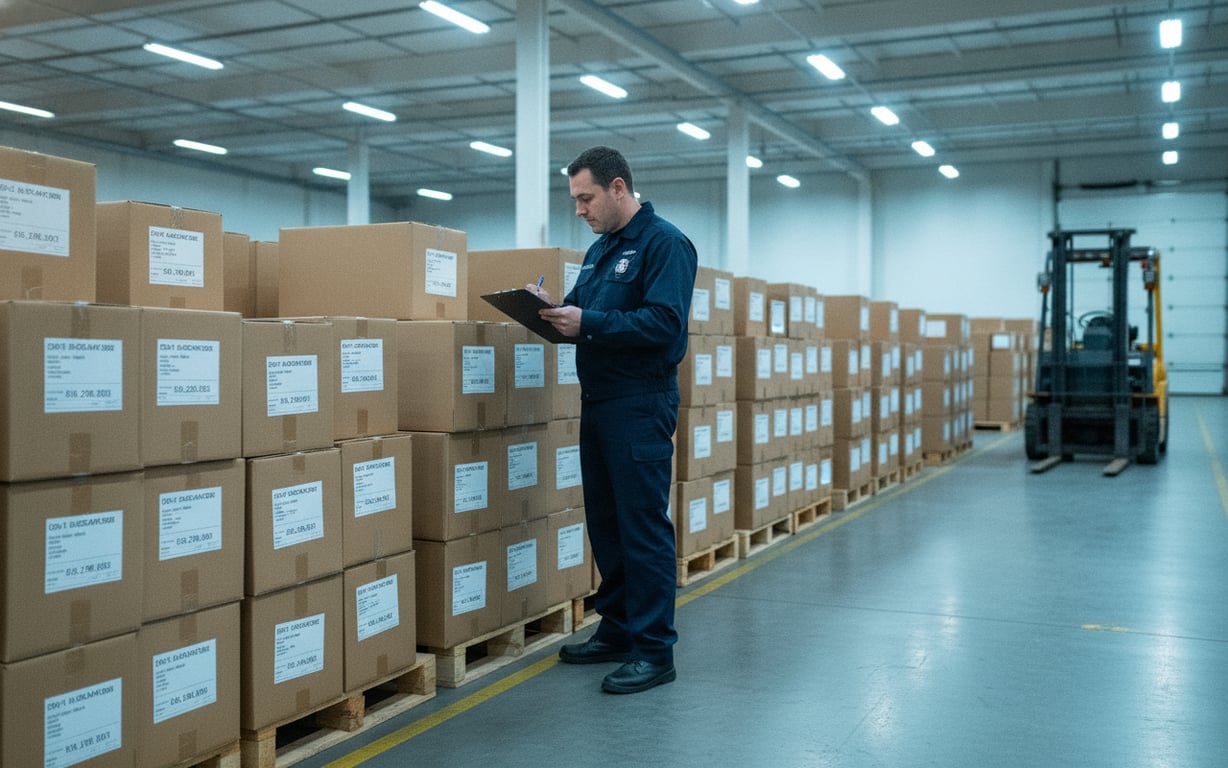
Why is customs clearance important for international shipping becomes evident the moment a single documentation error halts an otherwise well-planned shipment. Even minor administrative mistakes can trigger expensive border holds, cargo impoundment, or significant financial penalties, which is why strict compliance forms the foundation of any successful international expansion strategy.
Steps in the customs clearance process for international shipments
Pre-clearance documentation: Exporters compile and verify trade documentation — bills of lading, commercial invoices, and packing lists.
Customs processing: Agencies review the shipment; trusted-trader certifications such as C-TPAT and AEO play a meaningful role in reducing inspection frequency and expediting border crossings.
Tariff and duty calculation for cross-border trade: Correctly classifying goods under harmonized system (HS) codes and establishing accurate valuations are mandatory steps to avoid non-compliance fines.
Compliance automation: Many enterprises now rely on trade compliance software for exporters — digital tools that automate regulatory checks, prepare electronic documentation, and streamline customs entries in near real time.
E-commerce compliance: Businesses must address varying tax structures, country-of-origin rules, and industry-specific standards for regulated goods such as cosmetics, food, or electronics.
Partnering with logistics providers that offer integrated customs brokerage ensures tax filings, duty computations, and customs entries are handled correctly, safeguarding trade flows and enabling seamless market entry.
End-to-end supply chain visibility - the engine behind seamless cross-border operations
In international trade, where cargo must navigate multiple handoffs, border crossings, and regulatory checkpoints, achieving end-to-end supply chain visibility is essential for maintaining operational momentum. Eliminating blind spots is especially critical during transit or dwell times at border facilities, where cargo theft and tampering risks are highest. Implementing advanced supply chain technology for cross-border visibility — real-time GPS tracking, seal integrity monitoring, and continuous load checks — allows shippers to maintain constant oversight of freight, preserving cargo integrity from origin to final destination.
What technology capabilities enable end-to-end supply chain visibility?
Unified management software: Modern end-to-end supply chain management software unifies disparate data streams into a single, consolidated view, enabling faster validation of shipped quantities and purchase order fulfillment.
Global supply chain integration: Connecting every participant — carriers, customs brokers, and warehouse operators — transforms isolated transactions into a collaborative network rather than a series of disconnected handoffs.
AI-driven inventory management: Synchronizing inventory levels across multiple distribution nodes, supported by tools such as AI-driven inventory and replenishment platforms, helps businesses proactively manage stock, avoid costly stockouts or overstocking, and keep dock operations running efficiently even as order volumes fluctuate across regions.
Predictive analytics and automated APIs: Artificial intelligence analyzes real-time data — weather, traffic, and border congestion — to dynamically optimize routes and generate more accurate delivery estimates.
Establishing a transparent, connected supply chain ensures that international operations remain resilient against market volatility and the unexpected disruptions that are almost inevitable when goods cross multiple borders.
Which supply chain solutions support global expansion - platforms, networks, and strategies
To successfully scale across borders, businesses must identify which supply chain solutions support global expansion most effectively. Relying on fragmented, localized systems often leads to operational bottlenecks and administrative friction. Instead, modern enterprises deploy integrated international supply chain solutions that unify warehousing, customs brokerage, and surface transportation into a single, cohesive network, leveraging advanced APIs and real-time tracking to turn isolated transactions into a visible, collaborative supply chain.
Specialized cross-border logistics platforms for ecommerce connect online sellers directly with global marketplaces, automating inventory synchronization, order management, and customs documentation. Coordinating this with strong production planning — through solutions such as AI-driven manufacturing planning — ensures that scheduling and distribution decisions upstream are aligned with the pace of international demand rather than working against it. To mitigate capacity constraints and market volatility, a multi-carrier shipping strategy for global brands is essential: diversifying transportation modes and partnering with multiple regional carriers ensures continuous cargo movement and flexible routing even during peak seasons or geopolitical disruptions.
The table below summarizes how common transportation modes align with typical cross-border shipping priorities:
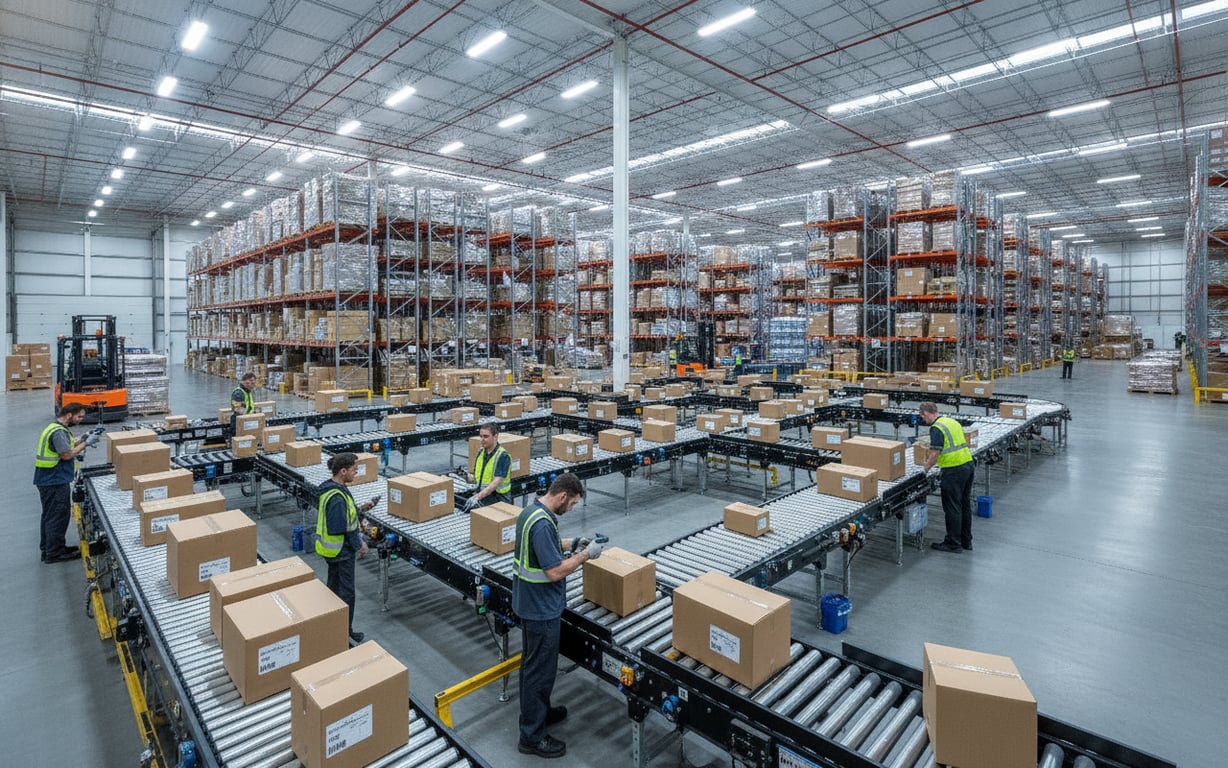
Warehouse and distribution network optimization also plays a decisive role in reducing transit times and safeguarding cargo. Establishing a multi-node distribution network with strategically located facilities places inventory closer to international customers, bypassing border bottlenecks for individual orders — a principle reflected in re:innovation's own regional growth, including its expansion into Poland to serve Central and Eastern European markets more directly. How do companies manage international shipping costs while scaling this way? Freight consolidation programs are a key part of the answer: combining partial shipments from multiple suppliers into full truckloads maximizes capacity utilization and lowers per-unit transportation expenses, while localizing returns processing within the destination country avoids the high fees and paperwork tied to shipping individual returns back across borders.
Best practices for building a resilient cross-border logistics strategy
How to build a durable and scalable cross-border logistics strategy
Implement disciplined supply chain risk management for global trade: Strictly vet carrier partners, map high-risk transit zones, approve secure rest stops, and use real-time tracking tools to monitor freight at every stop.
Diversify transportation modes and carriers: A multi-carrier shipping strategy for global brands spanning dry van, refrigerated, intermodal, and air freight options with multiple regional carriers keeps cargo moving during peak seasons or unexpected geopolitical disruptions.
Optimize warehouse and distribution network positioning: Establish multi-node networks with facilities located near key industrial hubs or ports of entry, enabling localized returns processing and freight consolidation that meaningfully lowers transportation expenses.
Build a local operational footprint: Proximity to the markets being served — as reflected in re:innovation's own approach when it established a local team in Finland to support long-term regional impact — strengthens resilience over time.
Unify operations through global supply chain integration: Integrating warehousing, customs brokerage, and surface transportation into a single, connected network ensures that every participant collaborates in real time; strengthening retail operations and supplier collaboration across carriers, customs brokers, and warehouse operators is often what separates a resilient network from a fragile one.
Partner with certified providers and maintain contingency plans: Partnering with providers that maintain C-TPAT and AEO certifications reduces cargo inspections and speeds border crossings, while maintaining buffer stock of critical materials and clear contingency plans for rerouting shipments through alternative ports protects the business when disruptions inevitably occur.
Going cross-border with confidence - next steps for global supply chain success
Transitioning from a localized operation to a successful international enterprise requires shifting from reactive planning to structured execution. A crucial first step is deploying comprehensive international supply chain solutions that consolidate warehousing, customs brokerage, and multi-modal transportation into a single, cohesive network. Eliminating fragmented systems allows businesses to mitigate the risks of customs delays, capacity constraints, and unexpected regulatory friction before they become costly.
Equally important is integrating advanced tracking technology to establish complete end-to-end supply chain visibility. Maintaining real-time oversight of cargo — especially during critical border handoffs and transit through higher-risk zones — protects cargo integrity and improves customer satisfaction. Achieving deep global supply chain integration ensures that every participant, from regional carriers to customs brokers, collaborates within a unified digital ecosystem to optimize routes and manage inventory dynamically rather than reactively.
Finally, partnering with experienced logistics providers who bring localized expertise and certified security credentials allows organizations to streamline their cross border logistics, use strategic multi-node distribution networks, and implement cost-effective freight consolidation programs. Taking these proactive steps enables businesses to bypass border bottlenecks, protect profit margins, and build a durable foundation for sustained global growth.
Frequently Asked Questions
What is the simplest definition of cross-border logistics? Cross-border logistics is the coordinated movement of goods across international borders, encompassing transportation, customs clearance, and final delivery, all managed to keep shipments compliant and on schedule.
How does cross-border logistics differ from domestic shipping? Domestic shipping involves a single regulatory environment, while cross-border logistics requires navigating multiple customs regimes, tariff structures, and documentation standards across two or more countries.
What documents are typically required for customs clearance? Common documents include the commercial invoice, bill of lading, packing list, and certificates of origin, along with any product-specific permits required by the destination country.
What is the difference between C-TPAT and AEO certification? Both are trusted-trader security programs — C-TPAT is administered in the United States, while AEO is used across the European Union and other regions — and both can reduce inspection frequency and speed border crossings for certified participants.
Why do international shipments face more delays than domestic ones? Delays typically stem from documentation errors, customs inspections, carrier handoffs at borders, and infrastructure congestion at high-volume crossings, all of which add complexity absent in domestic transport.
How can businesses reduce cross-border shipping costs? Freight consolidation, multi-carrier strategies, localized returns processing, and strategically positioned distribution nodes all help lower per-unit transportation and compliance costs.
What role does technology play in cross-border visibility? Real-time GPS tracking, integrated management software, and predictive analytics unify data across carriers, customs brokers, and warehouses, closing blind spots and enabling faster decision-making.
What is HS code classification, and why does it matter? Harmonized system (HS) codes classify products for customs purposes; incorrect classification can lead to miscalculated duties, compliance penalties, and shipment delays.
How does warehouse network design affect international delivery speed? Positioning fulfillment centers near key industrial hubs or ports of entry reduces last-mile distances, bypasses border bottlenecks for individual orders, and shortens overall delivery times.
What is the first step a business should take before expanding cross-border? Businesses should assess their current compliance readiness, evaluate carrier and warehousing partnerships, and consider integrated end-to-end supply chain solutions before committing to new international markets.


Comments