
Complete Omnichannel Retail Strategy Guide: Building Seamless Customer Experiences Across All Commerce Channels
- Andra Palade

- Feb 17
- 14 min read
In today's competitive retail landscape, delivering a seamless and unified customer experience across all touchpoints is no longer a luxury but a necessity. An effective omnichannel retail strategy is the key to meeting evolving customer expectations, driving revenue growth, and building lasting brand loyalty. This guide provides a comprehensive overview of omnichannel retail, exploring its core concepts, benefits, implementation strategies, and future trends. Whether you're a seasoned retail executive or just starting to explore the possibilities of omnichannel, this resource will equip you with the knowledge and insights needed to create a winning strategy.

Table of Contents
What is omni channel retail and why it matters
Understanding what is omni channel retail starts with recognizing it as a comprehensive strategy that aims to deliver unified customer experiences across all available touchpoints. The omni-channel retail definition involves integrating physical stores, online platforms, mobile applications, social media, and customer service into a cohesive ecosystem. Within this system, customers can move between channels without disrupting their shopping experience.
The omni-channel retail meaning goes beyond simply having a presence on multiple platforms. It signifies a fundamental change in how retailers approach customer relationships, prioritizing the customer's journey over internal operational structures. When considering what does omni channel mean in retail, the central idea is to create a synchronized experience where customer data, preferences, and interactions are shared and accessible across every touchpoint.
Today's consumers expect both consistency and convenience. For example, they might find a product on social media, research it using a mobile app, compare prices online, and then buy it in a physical store. Throughout this process, they expect their preferences, shopping cart items, and loyalty rewards to be readily available, no matter which channel they use.
The importance of omni channel retail has grown because of evolving consumer behaviors and advances in technology. Customers now see channels as interconnected parts of a single brand experience. This perspective makes omnichannel strategies crucial for retailers who want to stay competitive.
Successful omni-channel retail implementation leads to benefits such as greater customer satisfaction, higher sales conversion rates, increased customer lifetime value, and stronger brand loyalty. Retailers who excel at this strategy gain a significant edge by meeting customers where they are and providing the flexibility that modern shopping requires.
As retailers embrace the need for unified customer experiences, understanding the nuances between different approaches becomes crucial. The next section clarifies the distinction between omnichannel and multichannel retail, highlighting the key differences in their philosophies and practical implementations.
Omnichannel vs multichannel retail - understanding the key differences
The difference between omnichannel vs multichannel approaches highlights a key distinction in retail philosophy and how it's put into practice. Both strategies use multiple customer touchpoints, but they differ significantly in how integrated they are and how they focus on the customer. Understanding this difference is essential for creating effective retail strategies.
Multichannel retail involves operating across various platforms like physical stores, websites, mobile apps, and social media, but these channels usually work independently. Each channel has its own inventory, customer databases, and operational procedures. Customers might see different prices, product availability, or service levels depending on the channel they use.
In contrast, omni channel retail integrates all channels into a unified system where customer data, inventory information, and service standards are consistent across every touchpoint. The omnichannel approach ensures that a customer's interaction on one channel connects smoothly with their experience on another, creating a continuous and personalized journey.
For example, a customer might research a product on social media, add it to their online cart, and then go to a physical store to buy it. In a multichannel setup, the store staff might not know about the customer's online activity, requiring them to start the shopping process over. However, with an omnichannel approach, the store associate can see the customer's online cart, preferences, and purchase history, allowing them to offer personalized help and complete the transaction efficiently.
The main advantage of omni channel retail over multichannel strategies is its focus on the customer. While multichannel retail emphasizes having a presence on different channels, omnichannel retail prioritizes a consistent customer experience. This integration allows retailers to provide personalized experiences, optimize inventory management, and build stronger customer relationships, leading to long-term loyalty and increased revenue.
With a clear understanding of the distinction between omnichannel and multichannel approaches, the focus shifts to the practical implementation of creating seamless customer interactions. The following section explores the key elements that contribute to an exceptional omnichannel customer experience.
Omnichannel customer experience - creating seamless interactions
Creating an exceptional omnichannel customer experience means carefully managing every customer touchpoint to ensure consistency, personalization, and smooth transitions between channels. This comprehensive method turns individual interactions into a connected journey that meets customers' expectations for convenience and personalized service.
The basis of a successful omni-channel retail experience is understanding that customers see their relationship with a brand as one ongoing conversation, not as separate interactions across different channels. Whether customers use mobile apps, visit physical stores, engage on social media, or contact customer service, they expect their preferences, purchase history, and current activities to be recognized and accessible.
Omnichannel integration makes this seamless experience possible by connecting backend systems, customer databases, and operational processes across all channels. This ensures that if a customer saves items to their wishlist on a mobile app, those items will appear when they log into the website or visit a physical store. Similarly, customer service representatives can access complete interaction histories, no matter how the customer initially made contact.
Personalization is key to delivering excellent omnichannel customer experiences. By using customer data collected from all touchpoints, retailers can offer tailored product recommendations, customized marketing messages, and relevant offers that reflect individual preferences and shopping behaviors. This level of personalization builds emotional connections between customers and brands, encouraging loyalty and repeat purchases.
Consistency in messaging, pricing, and service standards across all channels builds trust and reduces customer confusion. When customers find different information or experiences across channels, it creates friction that can lead to abandoned purchases and lower satisfaction. Successful omni-channel retail experiences maintain a consistent brand presentation while adapting to the unique characteristics of each channel.
Real-time inventory visibility and order management allow customers to check product availability, reserve items for in-store pickup, or arrange delivery, regardless of their current channel. This flexibility empowers customers to shop on their own terms, while ensuring retailers can fulfill orders efficiently and accurately.
The benefits of prioritizing the customer experience through omnichannel strategies are far-reaching. The subsequent section delves into the specific advantages that retailers can gain by implementing a comprehensive omnichannel retail strategy.
Benefits of omnichannel retail strategy implementation
Implementing a comprehensive omnichannel retail strategy provides significant advantages that span customer experience, operational efficiency, and financial performance. These benefits of omnichannel approaches have become essential for retailers seeking a sustainable competitive edge in today's dynamic market.
Enhanced customer satisfaction is one of the most important benefits of omnichannel implementation. When customers can move seamlessly between channels while maintaining consistent experiences, their overall satisfaction with the brand increases significantly. This leads to higher customer retention rates, more frequent purchases, and stronger brand advocacy, which drives organic growth through word-of-mouth.
Revenue growth is a direct result of improved omni channel capability. Customers who interact with brands across multiple channels typically have higher lifetime values compared to those who use only one channel. They buy more often, spend more per transaction, and remain loyal for a longer time. The convenience and flexibility of omnichannel strategies remove barriers to purchase and create more opportunities for customer engagement.
Improvements in operational efficiency are another key benefit of omnichannel retail strategy implementation. Integrated inventory management systems provide real-time visibility across all channels, reducing stockouts, minimizing overstock, and optimizing inventory turnover. This allows retailers to fulfill orders from the most suitable location, whether it's a distribution center, retail store, or supplier, which reduces shipping costs and delivery times.
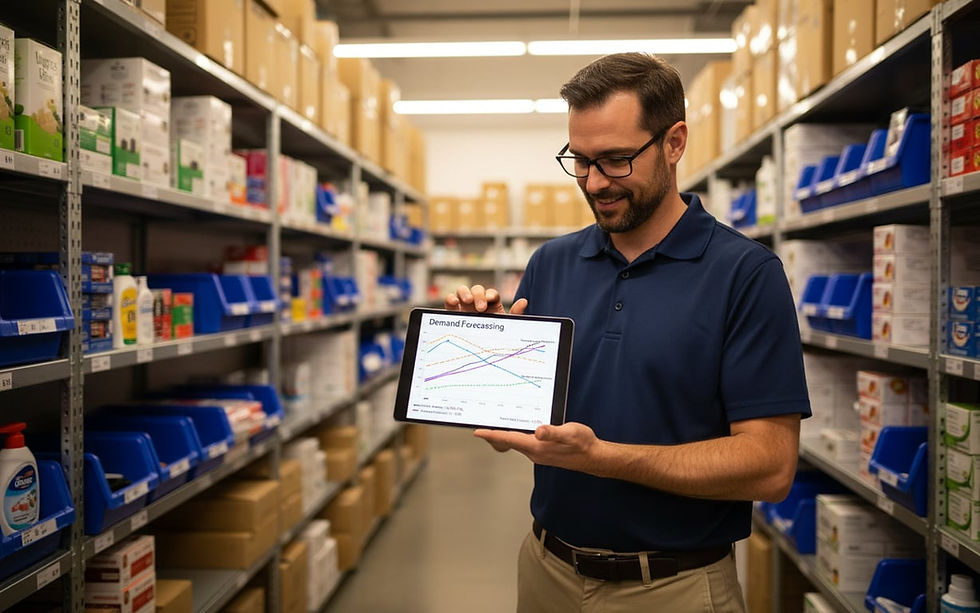
Data collection and analysis capabilities are greatly enhanced with omnichannel approaches. Retailers gain comprehensive insights into customer behaviors, preferences, and purchasing patterns across all touchpoints. This rich data enables more accurate demand forecasting, targeted marketing campaigns, and personalized product recommendations, which increase conversion rates and average order values.
Competitive differentiation is achievable through superior omni channel capability. As customers increasingly expect seamless experiences, retailers who successfully implement omnichannel strategies gain a significant advantage over competitors who maintain separate channel approaches. This differentiation is especially valuable in crowded markets where product offerings and pricing are similar among competitors.
To illustrate the practical application and impact of these benefits, the following section presents several real-world examples of successful omnichannel retail implementations.
Omnichannel examples - successful retail implementations
Looking at successful omnichannel examples offers valuable insights into how retailers have transformed their operations to provide exceptional customer experiences. These real-world examples show the practical application of omni channel retail strategies and highlight the measurable benefits that come from comprehensive omnichannel commerce approaches.
Starbucks demonstrates excellent omnichannel execution through its mobile app integration with physical stores. Customers can order and pay through the app, earn loyalty rewards, and pick up their orders without waiting in line. The app keeps track of purchase history, allows easy reordering of favorite items, and provides personalized offers based on individual preferences. This smooth integration between digital and physical channels has significantly increased customer engagement and transaction frequency.
Disney's approach to omnichannel retail extends across its theme parks, online platforms, and mobile applications. The My Disney Experience app allows visitors to plan their trips, make dining reservations, book FastPass selections, and even unlock hotel room doors. This creates a comprehensive experience that begins before visitors arrive at the parks and continues throughout their stay, showing how omnichannel commerce can enhance customer experiences beyond traditional retail transactions.
Sephora has mastered omni channel retail by integrating its Beauty Insider loyalty program across all touchpoints. Customers can earn and redeem points whether shopping online, in-store, or through the mobile app. The company's Virtual Artist feature allows customers to virtually try on makeup using augmented reality, bridging the gap between online and in-store experiences. Store associates can access customer profiles, purchase histories, and preferences to provide personalized recommendations and services.
Target's implementation of omnichannel strategies includes services like Order Pickup, Drive Up, and Same Day Delivery with Shipt. Customers can shop online and choose how they want to receive their orders, whether that's picking them up in-store, having them brought to their car, or delivered to their home. The Target Circle loyalty program integrates across all channels, providing personalized offers and allowing customers to earn and redeem rewards no matter how they shop.
These omnichannel examples show that successful implementation requires more than just technology integration; it requires a customer-focused approach that prioritizes convenience, personalization, and seamless experiences across every touchpoint. Inspired by these successful implementations, the next section provides a step-by-step guide to building your own omnichannel retail strategy, ensuring a structured and effective approach.
Building your omnichannel retail strategy - step by step approach
Developing an effective omnichannel retail strategy requires a systematic approach that aligns technology, processes, and customer insights to create seamless experiences across all touchpoints. This framework ensures that retailers can successfully implement omni channel retail solutions that deliver measurable results and a sustainable competitive advantage.
The foundation of any successful omnichannel retail strategy is thorough customer research and analysis. Retailers must understand where their customers spend their time, how they prefer to shop, and what devices and platforms they use throughout their purchasing journeys. This research should include demographic analysis, behavioral studies, and preference surveys that provide insights into customer expectations and pain points across different channels.
Customer segmentation follows research, enabling retailers to develop targeted approaches for different customer groups. Effective segmentation considers factors such as shopping frequency, channel preferences, spending patterns, and demographic characteristics. Each segment may require different omnichannel integration strategies and touchpoint priorities to maximize engagement and conversion rates.
Creating detailed customer journey maps helps retailers visualize how different segments interact with their brand across various touchpoints. These maps should identify key decision points, potential friction areas, and opportunities for enhanced personalization. Understanding these journeys enables retailers to prioritize which channels and integrations will have the greatest impact on customer experience and business results.
Technology infrastructure assessment and planning are critical components of omni channel retail solution development. Retailers must evaluate their current systems, identify integration requirements, and develop implementation roadmaps that support seamless data sharing across channels. This includes customer relationship management systems, inventory management platforms, point-of-sale systems, and e-commerce platforms.
Inventory management integration ensures that product availability, pricing, and promotional information remain consistent across all channels. Real-time inventory visibility enables customers to check product availability, reserve items for pickup, and receive accurate delivery estimates, regardless of which channel they use to shop.
Staff training and organizational alignment are essential for successful omnichannel retail strategy implementation. Employees across all channels must understand the integrated approach and be equipped with the tools and knowledge to provide consistent customer experiences. This includes access to customer data, inventory information, and service protocols that support seamless interactions.
Performance measurement and optimization frameworks should be established before implementation begins. Key performance indicators should include customer satisfaction scores, cross-channel conversion rates, average order values, and customer lifetime values. Regular analysis of these metrics enables continuous improvement and strategy refinement.
With a strategic roadmap in place, selecting the right technology and platforms becomes paramount. The subsequent section explores the essential technological components for achieving omnichannel success.
Technology and platforms for omnichannel success
Successful omni-channel retailing platforms require a sophisticated technology infrastructure that seamlessly integrates various systems and touchpoints to deliver unified customer experiences. The selection and implementation of appropriate omni channel retail solutions form the backbone of effective omnichannel strategies, enabling retailers to manage complex operations while maintaining consistency across all customer interactions.
Customer Relationship Management (CRM) systems serve as the central hub for omnichannel integration, consolidating customer data from all touchpoints into comprehensive profiles. These systems enable retailers to track customer interactions, preferences, purchase histories, and communication preferences across channels. Advanced CRM platforms provide real-time access to customer information, enabling personalized experiences whether customers are shopping online, in-store, or through mobile applications.
Enterprise Resource Planning (ERP) systems integrate business processes across departments and channels, ensuring that inventory, financial, and operational data remain synchronized. Modern ERP solutions designed for retail environments provide real-time visibility into stock levels, order status, and supply chain operations across all channels. This prevents overselling, reduces stockouts, and enables efficient order fulfillment, regardless of where customers place their orders.
Point-of-Sale (POS) systems have evolved beyond simple transaction processing to become integral components of omni-channel retailing platforms. Modern POS systems integrate with e-commerce platforms, mobile applications, and customer databases to provide store associates with complete customer profiles and purchase histories. This enables personalized in-store experiences and seamless order processing for services like buy-online-pickup-in-store.
E-commerce platforms designed for omnichannel operations provide the flexibility to manage multiple sales channels from a single interface. These platforms typically include features such as unified product catalogs, centralized inventory management, and integrated marketing tools that ensure consistency across online and offline channels. Advanced e-commerce solutions also support mobile commerce, social commerce, and marketplace integrations.
Inventory management systems specifically designed for omnichannel operations provide real-time visibility and control across all channels and locations. These systems enable retailers to optimize stock allocation, implement ship-from-store capabilities, and provide accurate availability information to customers, regardless of which channel they're using. Advanced inventory solutions also support demand forecasting and automated replenishment across channels.
Analytics and business intelligence platforms aggregate data from all channels to provide comprehensive insights into customer behavior, channel performance, and operational efficiency. These tools enable retailers to identify trends, optimize marketing campaigns, and make data-driven decisions about inventory allocation and channel investments.
As technology continues to advance, it's crucial to stay informed about the latest trends shaping the future of omnichannel retail. The following section explores current trends and offers a glimpse into the future outlook for omnichannel commerce.
Current omnichannel retail trends and future outlook
The landscape of omnichannel retail trends is constantly evolving as technology advances and consumer expectations shift toward more personalized, convenient, and sustainable shopping experiences. Understanding these trends enables retailers to anticipate market changes and adapt their omnichannel commerce strategies to maintain a competitive advantage in an increasingly dynamic marketplace.
Artificial intelligence and machine learning integration represent significant omnichannel retail trends that are transforming how retailers interact with customers across all touchpoints. AI-powered chatbots provide instant customer service across multiple channels, while machine learning algorithms analyze customer behavior patterns to deliver personalized product recommendations and targeted marketing messages. These technologies enable retailers to scale personalization efforts while maintaining consistency across channels. For instance, partnerships like re:innovation's with RELEX Solutions are driving innovation in this space, leveraging machine learning for advanced retail solutions.
Mobile-first omnichannel approaches have become essential as smartphone usage continues to dominate consumer shopping behaviors. Retailers are optimizing their mobile experiences not just for browsing and purchasing, but as central hubs that connect to in-store experiences through features like mobile payments, digital loyalty programs, and augmented reality product visualization. Progressive web applications and mobile apps serve as bridges between online and offline shopping experiences.
Social commerce integration represents another crucial trend in omnichannel commerce, as social media platforms increasingly incorporate shopping features that enable direct purchases without leaving the social environment. Retailers are developing strategies that seamlessly connect social media engagement with their broader omnichannel ecosystems, ensuring that customer interactions and purchases on social platforms integrate with loyalty programs and customer profiles.
Sustainability and ethical consumption concerns are influencing omnichannel retail trends as consumers increasingly seek transparency about product sourcing, manufacturing processes, and environmental impact. Retailers are incorporating sustainability information into their omnichannel experiences, providing customers with detailed product lifecycle information and enabling them to make informed purchasing decisions across all channels.
Voice commerce and smart home integration are emerging as important components of future omnichannel approaches. As voice assistants become more sophisticated and prevalent, retailers are developing voice-enabled shopping experiences that integrate with their existing omnichannel platforms, enabling customers to research products, place orders, and track deliveries through voice commands.
The future of omnichannel commerce suggests a continued convergence between physical and digital experiences, with technologies like augmented reality, virtual reality, and Internet of Things devices creating new opportunities for customer engagement and personalized experiences across all touchpoints.
To ensure that these future-oriented strategies are effective, it's essential to establish methods for measuring success and optimizing performance. The subsequent section explores key metrics and optimization strategies for omnichannel retail.
Measuring omnichannel success and optimization strategies
Measuring the performance of an omnichannel retail strategy effectively requires comprehensive analytics frameworks that track customer experiences, operational efficiency, and financial outcomes across all channels. These measurement systems enable retailers to identify successful initiatives, optimize underperforming areas, and demonstrate the tangible benefits of omnichannel implementation to stakeholders.
Customer-centric metrics form the foundation of omnichannel success measurement. Customer Lifetime Value (CLV) provides insights into the long-term financial impact of omnichannel strategies, typically showing increased values for customers who engage across multiple channels. Net Promoter Score (NPS) and Customer Satisfaction (CSAT) scores measure the quality of experiences across touchpoints, while customer retention rates indicate the effectiveness of integrated approaches in building loyalty.
Cross-channel behavior analysis reveals how customers move between touchpoints and identifies opportunities for improved omni channel capability. Metrics such as channel attribution, cross-channel conversion rates, and path-to-purchase analysis help retailers understand which channel combinations drive the highest value and where integration improvements could enhance customer experiences.
Operational efficiency metrics demonstrate how well omnichannel systems support business objectives. Inventory turnover rates, order fulfillment accuracy, and shipping cost optimization indicate whether integrated systems are delivering expected operational benefits. These metrics also help identify areas where process improvements or technology upgrades could enhance performance.
Revenue and profitability analysis across channels provides insights into the financial impact of omnichannel retail strategies. Average order values, conversion rates by channel, and incremental revenue from cross-channel customers help quantify the return on omnichannel investments and guide future resource allocation decisions.
Optimization strategies based on measurement insights include personalization enhancement through improved data utilization, channel integration improvements to reduce customer friction, and technology upgrades to support better customer experiences. Regular testing and experimentation enable continuous improvement of omnichannel performance while maintaining focus on customer satisfaction and business results.
To further clarify key concepts and address common inquiries, the following section provides answers to frequently asked questions about omnichannel retail.
Frequently Asked Questions
What is the difference between omnichannel and multichannel retail?
Omnichannel retail integrates all channels to provide a seamless, unified customer experience where data and interactions flow between touchpoints. Multichannel retail operates across multiple channels but treats them as separate entities without integration, potentially creating inconsistent customer experiences.
How long does it take to implement an omnichannel retail strategy?
Implementation timelines vary based on company size, existing technology infrastructure, and the scope of the strategy. Basic omnichannel capabilities can be established in 6-12 months, while comprehensive implementations typically require 18-24 months for full integration and optimization.
What are the most important technologies for omnichannel success?
Essential technologies include integrated CRM systems, unified commerce platforms, real-time inventory management systems, and analytics platforms. Mobile-optimized interfaces, API-based integrations, and cloud-based infrastructure also play crucial roles in enabling seamless omnichannel experiences.
How do you measure ROI from omnichannel investments?
ROI measurement should include increased customer lifetime value, higher conversion rates across channels, improved customer retention, reduced operational costs, and incremental revenue from cross-channel customers. Comprehensive analytics tracking customer behavior and financial performance across all touchpoints provides the most accurate ROI assessment.
What are the biggest challenges in omnichannel implementation?
Common challenges include integrating legacy systems, overcoming organizational silos, ensuring data quality and consistency, meeting staff training requirements, and maintaining consistent experiences across channels. Technology complexity and change management also present significant hurdles for many retailers.
How does omnichannel strategy impact inventory management?
Omnichannel strategies require unified inventory systems that provide real-time visibility across all channels and locations. This enables ship-from-store capabilities, accurate availability information, and optimized stock allocation, while reducing overall inventory requirements through better demand forecasting and distribution.
As retailers navigate the complexities of modern commerce, embracing an omnichannel strategy is essential for sustained success. By prioritizing seamless customer experiences, leveraging integrated technologies, and continuously optimizing performance, businesses can unlock the full potential of omnichannel retail and thrive in an increasingly competitive market. The journey towards omnichannel excellence requires commitment, adaptability, and a relentless focus on meeting the evolving needs of today's connected consumers. Taking the first step towards integrating channels and focusing on customer-centric strategies will set the foundation for long-term growth and customer loyalty.


Comments