
Digital Transformation in Retail: How AI and Omnichannel Strategies Revolutionize Customer Experience

Updated: 1 day ago

Digital transformation retail signifies a profound change in how retailers conduct business, evolving beyond traditional brick-and-mortar setups to embrace extensive digital integration across all operational areas. This retail digitization includes everything from customer-facing technologies, such as mobile apps and e-commerce platforms, to backend systems that handle inventory, supply chain logistics, and data analytics.
The core of retail technology transformation is creating interconnected systems that function in harmony, enabling retailers to adapt swiftly to market shifts and customer needs. Unlike merely adopting new technologies, true digital transformation involves rethinking business processes, organizational culture, and customer relationships through a digital perspective.
Today's consumers expect personalized, convenient, and consistent experiences across all interaction points. Digital transformation retail allows retailers to fulfill these expectations by using data analytics to understand customer preferences, streamline inventory management, and implement targeted marketing strategies. This transformation is especially vital as customer behavior continues to change, with shoppers increasingly expecting smooth transitions between online and offline channels.
The competitive environment has become more intense with the emergence of digitally native brands and major e-commerce players. Traditional retailers must adopt retail digitization to stay relevant and competitive. Those who successfully implement comprehensive digital strategies often see improved operational efficiency, stronger customer loyalty, and increased revenue through new digital channels and services.
As retailers increasingly embrace digital transformation, the role of artificial intelligence becomes ever more critical in shaping modern customer experiences.
Retail artificial intelligence driving modern customer experiences
Retail artificial intelligence has become a transformative force, enabling the creation of sophisticated and personalized customer experiences. By analyzing large volumes of customer data, AI systems can forecast shopping behaviors, refine product recommendations, and automate various retail processes to improve overall service delivery.
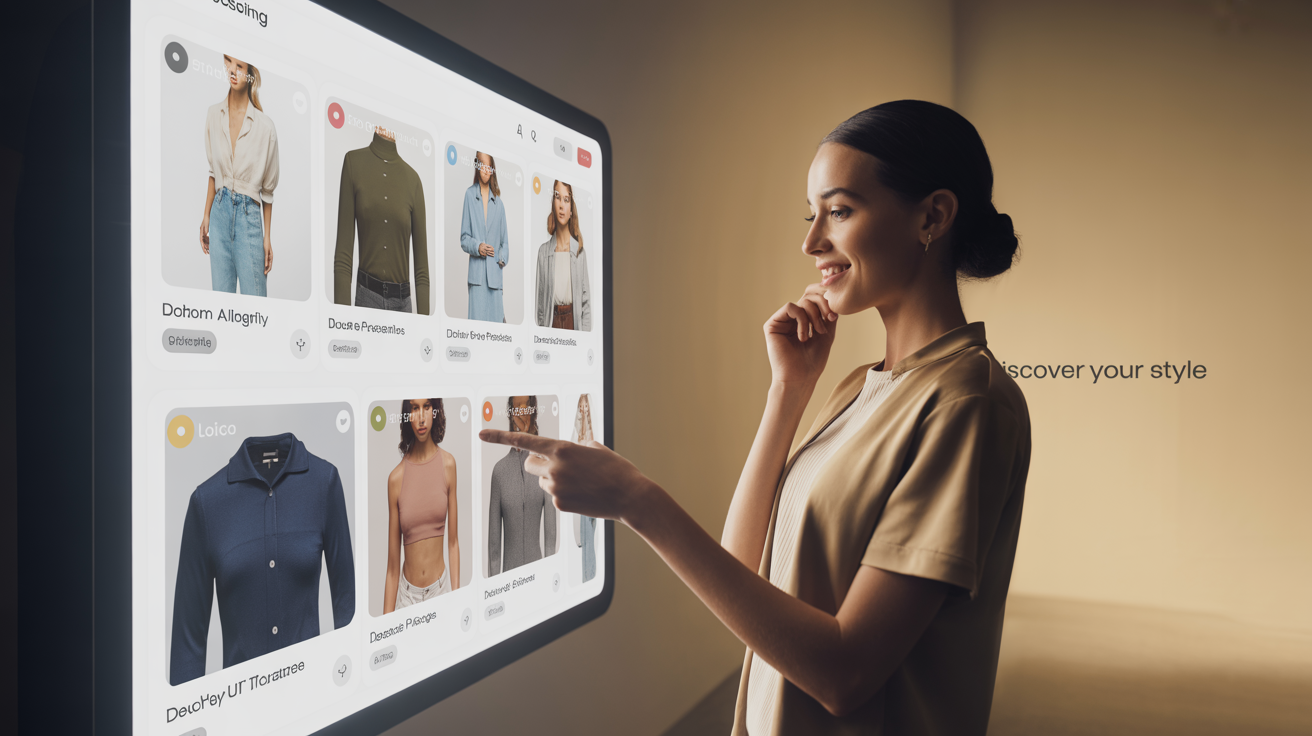
One significant application of retail artificial intelligence is in personalization engines. These engines analyze customer browsing history, purchase patterns, and demographic data to provide highly relevant product suggestions. These AI-driven systems can boost conversion rates by presenting customers with products they are most likely to buy, thereby enhancing the retail customer experience.
Retail data analytics, enhanced by AI, facilitates dynamic pricing strategies that respond to market conditions, competitor pricing, and real-time demand fluctuations. This allows retailers to optimize profit margins while maintaining competitive pricing, automatically adjusting prices based on inventory, seasonal trends, and customer segments.
AI-powered chatbots and virtual assistants are transforming customer service by offering round-the-clock support, managing routine inquiries, and guiding customers through their shopping journey. These systems can understand natural language, interpret context, and provide tailored assistance, which reduces response times and increases customer satisfaction.
Visual search and image recognition technologies represent another advancement in retail artificial intelligence. Customers can upload photos to find similar products, while AI systems analyze in-store behavior using computer vision to optimize store layouts and product placement. This integrates physical and digital shopping, leading to more intuitive and engaging customer interactions.
The integration of AI into retail operations paves the way for seamless customer journeys, which are further enhanced by effective omnichannel strategies.
Omnichannel retail strategies for seamless customer journeys
Effective omnichannel retail strategies deliver unified customer experiences by integrating all points of contact into a cohesive system. This approach acknowledges that modern consumers interact with brands through various channels and expect consistent service, pricing, and product availability, regardless of their chosen method of engagement.
The basis of a successful digital retail strategy is eliminating silos between different channels and departments. This involves using unified customer databases, synchronized inventory systems, and consistent brand messaging across all platforms. When done correctly, customers can begin their journey on one channel and continue on another without any loss of context or experiencing friction.
Retail mobile technology is a crucial component of omnichannel experiences, enabling customers to access product details, compare prices, and make purchases from any location. Mobile apps can improve in-store experiences with features like digital store maps, product scanning for more information, and mobile payment options that shorten checkout times.
Cross-channel fulfillment options are a key differentiator in omnichannel retail. Services such as "buy online, pick up in store" (BOPIS), "ship from store," and "endless aisle" ensure customers can access products via their preferred method. These options enhance customer satisfaction and optimize inventory use across the retail network.
Data integration across all channels allows retailers to develop detailed customer profiles that inform personalized marketing and improve service delivery. By understanding customer preferences and behaviors across all points of contact, retailers can create more targeted campaigns and offer relevant product recommendations, boosting engagement and sales.
Underpinning these advanced strategies is a robust technology infrastructure, essential for supporting the complexities of modern retail operations.
Essential retail technology infrastructure
Successful digital transformation requires a strong technology infrastructure that supports complex operations while maintaining scalability and reliability. This infrastructure must handle growing data volumes, increasing transaction loads, and changing customer expectations, all while ensuring security and compliance.
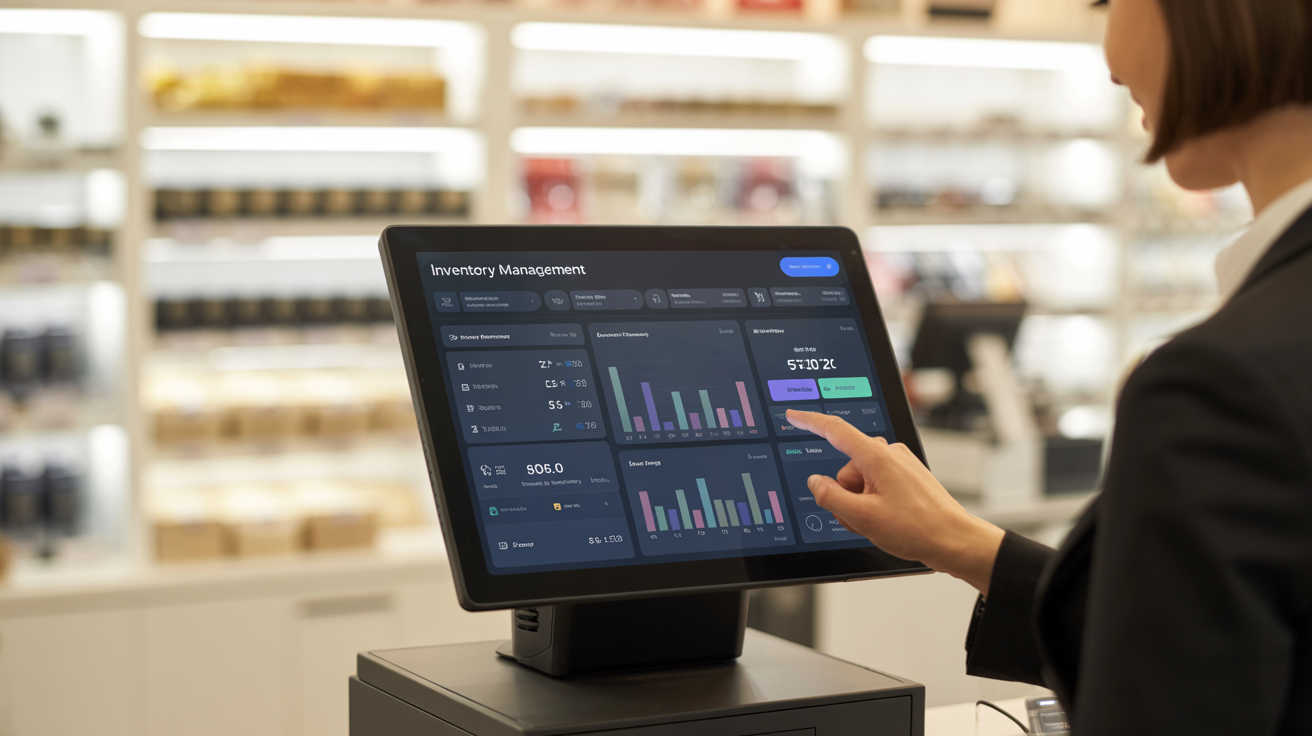
Modern retail point of sale systems go beyond simple transaction processing to act as comprehensive business management platforms. These systems integrate inventory management, customer relationship management, and real-time data analytics, giving retailers immediate insights into sales, customer preferences, and operational efficiency. Cloud-based POS solutions offer automatic updates, lower maintenance costs, and easy integration with other systems.
Retail cloud computing provides the flexibility and scalability needed to support omnichannel operations and manage fluctuating demand. Cloud infrastructure allows retailers to quickly launch new services, scale resources during peak times, and reduce hardware costs. It also supports data sharing across systems and locations, creating a unified view of operations and customer interactions.
Retail automation technologies streamline operations, from inventory and order fulfillment to customer service and marketing. Automated systems reduce errors, improve efficiency, and allow staff to focus on customer engagement and strategic planning. Integration between these systems ensures smooth data flow and coordinated operations across all functions.
One of the most critical aspects of this infrastructure is the retail inventory management systems, which directly impacts operational efficiency and customer satisfaction.
Retail inventory management systems and operational efficiency
Advanced retail inventory management systems are central to modern retail, providing real-time visibility into stock levels, demand patterns, and supply chain performance. These systems help retailers optimize inventory investments while ensuring product availability across all channels.
The integration of retail automation in inventory management reduces manual processes that can lead to errors and inefficiencies. Automated reordering systems use predictive data analytics to forecast demand and trigger purchase orders when stock levels fall below set thresholds. This ensures optimal stock levels and reduces the risk of stockouts or overstocking, which can tie up capital.
Retail data analytics within modern inventory systems offers insights into product performance, seasonal trends, and customer preferences. This enables retailers to make informed decisions about product selection, pricing, and promotions. By analyzing sales data and market trends, retailers can refine their inventory mix to maximize profitability and customer satisfaction.
Warehouse management integration within retail inventory management systems streamlines fulfillment from receiving to shipping. Automated picking systems, optimized storage, and intelligent routing improve operational efficiency while reducing labor costs and processing times. This is particularly important for omnichannel fulfillment, where orders may be fulfilled from various locations.
While the benefits of digital transformation are clear, retailers often face significant challenges in implementing these changes effectively.
Overcoming digital transformation challenges in retail
The digital transformation in retail industry presents challenges that require strategic planning and careful execution. Recognizing these challenges and developing strategies to mitigate them is essential for successful transformation.
Organizational resistance is a significant obstacle to retailers digital transformation. Employees may worry about job security or struggle to adapt to new technologies. Research suggests that 53% of professionals find digital transformation difficult due to inadequate change management. Retailers can address this through training, clear communication about the benefits of transformation, and involving employees in the planning to foster buy-in and reduce resistance.
Budget constraints are another major challenge, as retail technology transformation requires investments in technology, training, and system integration. Large companies may spend billions on digital transformation. Retailers can manage budget limitations by phasing in implementations, focusing on high-impact initiatives, and demonstrating ROI from early successes to justify further investment.
Technical complexity and integration issues can arise when connecting legacy systems with new digital platforms. Many retailers use outdated infrastructure not designed for modern omnichannel needs. Successful transformation requires careful planning of system migrations, API integrations, and data synchronization to ensure smooth operations during transitions.
Skills gaps can also hinder transformation. Many organizations report lacking the internal expertise needed for digital transformation. Retailers should invest in employee development, partner with technology vendors for training, and recruit talent with digital expertise to build internal capabilities.
To ensure these efforts are worthwhile, it's crucial to measure the success and return on investment of digital initiatives.
Measuring success and ROI in retail digital initiatives
Establishing clear metrics and measurement frameworks is crucial for assessing the effectiveness of digital retail strategy and justifying continued investment. Measurement requires both quantitative and qualitative indicators aligned with business objectives.
Key performance indicators for retail customer experience include customer satisfaction scores, Net Promoter Score (NPS), customer retention rates, and average order values. These metrics show how digital initiatives affect customer perceptions and behaviors. Advanced retail data analytics platforms can track these metrics in real-time and provide detailed analysis to identify areas for improvement.
Operational efficiency metrics focus on cost reduction, process improvement, and productivity gains from digital transformation. These include inventory turnover rates, order fulfillment times, labor productivity, and system uptime. Retailers should establish baseline measurements before implementing new systems to accurately assess improvements.
Revenue attribution analysis helps retailers understand how digital initiatives contribute to sales growth across channels. This involves tracking customer journeys and using attribution modeling to assign credit to digital interactions. Multi-touch attribution models provide more accurate insights than last-click attribution, enabling better resource allocation.
Long-term value creation metrics include brand equity improvements, market share gains, and competitive advantages. These strategic benefits may take longer to appear but often provide the most significant long-term value from digital transformation investments.
As retailers continue to innovate, several future trends are poised to shape the next phase of retail transformation.
Future trends shaping retail transformation
Emerging technologies and changing consumer behaviors continue to drive innovation in retail artificial intelligence, omnichannel retail, and retail mobile technology. Understanding these trends helps retailers prepare for future opportunities.
Hyper-personalization, powered by AI, will enable retailers to create individualized experiences at scale. Machine learning models will analyze real-time behavioral data, contextual information, and predictive data analytics to deliver personalized product recommendations, dynamic pricing, and customized marketing that adapts to customer preferences.
Augmented reality and virtual reality are transforming how customers interact with products. AR applications allow customers to visualize products in their own environments, while VR creates immersive shopping experiences that merge physical and digital retail. These technologies will become increasingly important for omnichannel retail as hardware costs decrease and adoption increases.
Voice commerce and conversational AI will expand beyond product searches to enable complex shopping interactions through smart speakers and voice assistants. Retail mobile technology will integrate voice capabilities to create hands-free shopping experiences valuable for routine purchases and reordering.
Sustainability and social responsibility will increasingly influence retail technology decisions. Consumers expect retailers to demonstrate environmental consciousness and ethical practices, driving the adoption of technologies that reduce waste, optimize energy use, and support sustainable supply chains. This focus is exemplified by strategic partnerships aimed at developing eco-friendly solutions and revolutionizing retail through sustainable practices.
For retailers ready to embark on this transformative journey, a strategic approach is essential to ensure success.
Getting started with your retail digital transformation journey
Starting a successful digital transformation retail journey requires strategic planning, stakeholder alignment, and a clear roadmap that balances ambition with practical considerations. The key is to begin with a comprehensive assessment of current capabilities and future goals.
Begin by auditing existing technology, business processes, and customer touchpoints to identify gaps and opportunities. This assessment should evaluate current digital retail strategy maturity and benchmark performance against industry standards. Understanding the starting point is crucial for setting realistic goals and timelines.
Develop a prioritized roadmap that focuses on high-impact, low-risk initiatives first to build momentum and demonstrate value. Early wins might include implementing mobile-responsive websites, upgrading point of sale systems, or launching basic e-commerce capabilities. These foundational improvements create the infrastructure needed for more advanced retailers digital transformation initiatives.
Invest in building internal capabilities through training, hiring digital talent, and partnering with technology vendors and consultants. Successful transformation requires both technical expertise and change management skills. Consider creating dedicated digital transformation teams with clear accountability for project outcomes.
Establish governance structures and measurement frameworks to track progress and ensure alignment with business objectives. Regular reviews should assess both technical implementation and business impact metrics to enable course corrections. This disciplined approach helps maintain focus and momentum while ensuring that investments deliver expected returns.
Navigating digital transformation requires answering key questions and understanding the nuances of the process.
Frequently Asked Questions
What is the difference between digitization and digital transformation in retail?
Digitization involves converting analog processes to digital formats, such as switching from paper-based inventory tracking to digital systems. Digital transformation is more comprehensive, fundamentally reimagining business models, customer experiences, and operations through digital technology across the organization.
How long does retail digital transformation typically take?
Retail digital transformation is an ongoing process, not a one-time project. Initial implementations may take 12-24 months, but comprehensive transformation often spans 3-5 years. The timeline depends on the organization's size, current technology, budget, and the scope of changes.
What are the most critical technologies for retail digital transformation?
Essential technologies include cloud computing platforms, modern POS systems, inventory management software, customer relationship management (CRM) systems, data analytics tools, and mobile technology. AI and machine learning are increasingly important for personalization and operational improvements.
How can small retailers compete with large companies in digital transformation?
Small retailers can use cloud-based solutions that offer enterprise-level capabilities without large upfront costs. They can also focus on niche markets, provide personalized service, and adopt agile approaches that allow for faster adaptation than larger competitors.
What role does employee training play in digital transformation success?
Employee training is crucial, as new technologies require different skills and workflows. Training programs should cover both technical skills and change management. Organizations that invest in employee development typically see higher adoption rates and better outcomes.
How do retailers measure the ROI of digital transformation initiatives?
ROI measurement should include quantitative metrics (revenue growth, cost reduction, efficiency) and qualitative benefits (customer experience, brand perception, competitive positioning). Retailers should establish baseline measurements before implementation and track progress using balanced scorecards that capture multiple value dimensions.
The Future of Retail
Digital transformation in retail is not merely about adopting new technologies; it's about fundamentally rethinking how retailers operate and engage with customers. By embracing AI, omnichannel strategies, and robust technology infrastructure, retailers can create seamless, personalized experiences that drive loyalty and growth. As consumer expectations continue to evolve, those who prioritize digital innovation will be best positioned to thrive in the competitive retail landscape. The journey requires strategic planning, continuous learning, and a commitment to adapting to the ever-changing digital world, ensuring long-term success and relevance.


Comments