
Fresh Store Operations & Optimization: How Retailers Can Reduce Waste, Measure Performance, and Win the Fresh Department

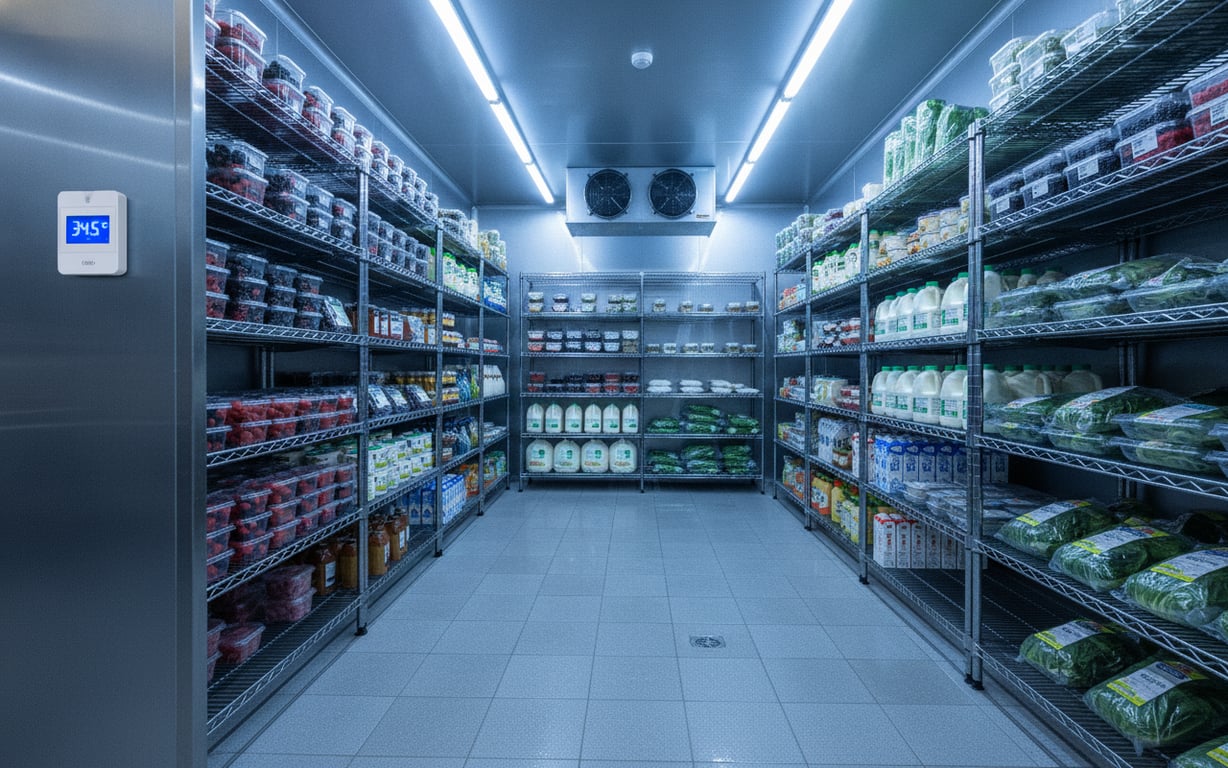
Fresh food can be a major driver of profitability and customer loyalty, but it is also where retailers lose millions to waste, markdowns, and stockouts. Managing fresh departments effectively requires more than traditional inventory processes. It requires fresh optimization: a predictive approach that balances product freshness, availability, and operational efficiency across the store. This article explores how fresh store operations and modern fresh optimization practices help retailers reduce waste, improve availability, and create a better shopping experience across fresh categories.
Table of Contents
What is fresh store operations and what does fresh optimization mean in retail
What is fresh store operations?
Fresh store operations refers to the day-to-day management of a grocery retailer's most perishable departments — produce, meat, seafood, bakery, deli, and prepared foods. Unlike center-store categories, these areas depend on associates who cut, cook, prep, rotate, and merchandise product multiple times within a single shift, all while working against tight margins and a ticking shelf-life clock. Effective fresh grocery store operations management means coordinating labor, ordering, and merchandising in a way that keeps these departments both fully stocked and genuinely fresh.
What does fresh optimization mean in retail?
Fresh optimization, then, describes the shift away from legacy, transaction-based inventory systems toward approaches purpose-built for perishables — often powered by predictive analytics and machine learning. Dry-goods systems were never designed to account for spoilage curves, seasonal demand swings, or the labor intensity of in-store production. True optimization balances product freshness against on-shelf availability, using demand forecasting to prevent both spoilage and stockouts simultaneously. When fresh store operations and fresh optimization are aligned, retailers can streamline ordering, structure department-specific labor, and turn their highest-margin categories into a durable source of customer loyalty.
Why is fresh food shrink so high in grocery stores
Rapid spoilage: Perishables like produce and prepared foods have shelf lives measured in hours or days, meaning even small ordering miscalculations translate directly into waste.
Volatile demand: Seasonal volume shifts and weather-driven demand changes are difficult to anticipate with systems designed for shelf-stable dry goods.
Phantom inventory: Legacy ordering tools cannot account for the gap between recorded stock levels and what is physically on the shelf, compounding shrink invisibly.
Labor pressure: Associates stretched between customer service, food safety checks, and manual counting are prone to poor production planning, especially in high-prep areas like bakery and deli.
Why is fresh food shrink so high in grocery stores? Because perishables combine rapid spoilage, volatile demand, and labor-intensive handling in a single category. A head of lettuce or a tray of prepared sushi has a shelf life measured in days or hours, not months, so even small ordering miscalculations translate directly into waste. Many retailers still run fresh departments on ordering systems designed for shelf-stable dry goods — tools that cannot account for seasonal volume shifts, weather-driven demand changes, or the compounding effect of shrink hidden in "phantom inventory" that never matches what is physically on the shelf.
Labor pressure compounds the problem. When associates are stretched between customer service, food safety checks, and manual counting, poor production planning in high-prep areas like the bakery or deli quickly drives up waste. Reducing shrink in fresh grocery departments requires moving away from spreadsheets and gut-feel ordering toward systems that generate accurate, data-driven order recommendations — a foundational fresh food waste reduction strategy that prevents both overordering and the empty shelves that push shoppers to competitors.
How do grocery stores manage fresh food inventory
How fresh food inventory management works
Grocery retailers managing fresh food inventory effectively are increasingly abandoning legacy perpetual inventory systems built for dry goods in favor of platforms purpose-built to handle perishability. These modern tools generate precise order recommendations by analyzing shelf life, seasonal volume, weather patterns, and real-time point-of-sale data — a meaningfully more accurate approach than static reorder points.
A central technique in optimizing perishable inventory in retail stores is probabilistic inventory modeling, which allows systems to infer store conditions — including shrink and true stock levels — without relying entirely on manual counts, which are slow and error-prone. This "seeing the invisible" capability is paired with disciplined physical organization: backrooms, coolers, and freezers that are systematically labeled make it far easier for associates to execute fresh food rotation systems like FIFO and FEFO (first in, first out; first expired, first out) consistently.
Key fresh food inventory management techniques
AI-driven order recommendations: Platforms analyze shelf life, seasonal volume, weather patterns, and real-time POS data to generate precise replenishment suggestions.
Probabilistic inventory modeling: Systems infer true stock levels and shrink without relying on slow, error-prone manual counts.
FIFO rotation: First in, first out — stock is rotated based on the order it arrived, reducing the risk of older product sitting behind newer deliveries.
FEFO rotation: First expired, first out — stock is rotated based on which items expire soonest, offering greater precision for perishables with variable shelf lives.
Department-specific replenishment cadences: Restocking frequency is set by actual traffic patterns rather than a single store-wide schedule.
How often should fresh produce be restocked also depends heavily on department-specific traffic patterns rather than a single fixed schedule. Bakery items may need replenishment two or three times daily, while packaged salads might follow a different cadence entirely. Retailers such as Selver, an Estonian supermarket chain, illustrate how aligning replenishment rules with actual demand — rather than rigid store-wide schedules — keeps displays full during peak hours without over-committing inventory. Solutions built around AI-driven inventory and replenishment increasingly underpin this kind of department-specific precision.
Cold chain and temperature monitoring for fresh grocery storage
Why cold chain management matters for fresh products
Maintaining an unbroken cold chain — from delivery truck to backroom cooler to sales floor — is one of the most direct levers retailers have over shelf life. Every gap in temperature control, even a brief one during restocking, accelerates spoilage and shortens the window in which a product can be sold at full price. Real-time temperature monitoring for fresh grocery storage gives store teams visibility into cooler and freezer conditions continuously, rather than relying on periodic manual spot-checks that can miss a failing compressor or a door left ajar for hours.
Cold chain management for fresh products works best when paired with physical storage discipline. Coolers and backrooms that are systematically organized and clearly labeled allow associates to execute FIFO and FEFO rotation quickly, without hunting through disorganized shelving while product temperature climbs. Shelf life extension techniques for fresh produce — such as minimizing the time items spend in ambient, non-refrigerated zones during restocking — further compound these gains. Together, monitoring technology and organizational discipline form the backbone of optimizing perishable inventory in retail stores, protecting both food safety and gross margin.
Cold chain and shelf life best practices
Real-time temperature monitoring: Continuous visibility into cooler and freezer conditions catches failures immediately rather than after spoilage has occurred.
Organized backroom storage: Systematically labeled coolers and shelving allow associates to execute FIFO and FEFO rotation quickly and accurately.
Minimizing ambient exposure: Reducing the time fresh items spend in non-refrigerated zones during restocking directly extends usable shelf life.
Unbroken cold chain discipline: Maintaining consistent temperature from delivery truck through to the sales floor prevents compounding spoilage losses at every handoff point.
Best practices for fresh department operations
Best practices checklist
Codify repeatable processes: Replace tribal knowledge with standardized prep sheets and visual tools that any associate can follow consistently on every shift.
Use product engineering strategically: Shift to prebaked or par-frozen goods where appropriate to reduce in-store labor complexity without sacrificing quality.
Organize backrooms and coolers systematically: Clearly labeled storage cuts search time and rotation errors, a recurring theme across high-performing fresh departments.
Build cross-trained labor pools: Flexible teams that shift between produce, deli, and bakery based on real-time need outperform rigid, one-size-fits-all schedules.
Apply department-specific scheduling rules: Ensure associates are on the floor exactly when production and customer traffic peak, rather than following a generic store-wide template.
Embed fresh-specific KPIs into incentive programs: Hold store leaders accountable for sales comps, production accuracy, and shrink reduction to sustain operational gains.
Maintain structured feedback loops: Regular scheduling audits and communication between store teams and merchandising ensure that standards set at headquarters are executed consistently on every shift.
Excellence in fresh grocery store operations management starts with codified, repeatable processes rather than tribal knowledge. Visual tools like standardized prep sheets, combined with product engineering choices — such as shifting to prebaked or par-frozen goods where appropriate — reduce in-store labor complexity without sacrificing quality. Keeping backrooms and coolers systematically organized and labeled remains a recurring theme across best practices for fresh department operations, since it directly cuts search time and rotation errors.
Staffing models for fresh food departments are evolving away from rigid, one-size-fits-all schedules that overstaff quiet hours while leaving peak periods thin. Cross-trained "fresh labor pools" — flexible teams that shift between produce, deli, and bakery based on real-time need — help retailers match labor to actual demand. Department-specific scheduling rules ensure associates are on the floor exactly when production and customer traffic peak, rather than following a generic store-wide template.
To sustain these gains, leading retailers embed fresh-specific KPIs into store management incentive programs, holding leaders accountable for sales comps, production accuracy, and shrink reduction. Regular scheduling audits and structured feedback loops between store teams and merchandising — a discipline central to retail operations and collaboration platforms — help ensure that standards set at headquarters actually get executed consistently on every shift, in every store.
Which metrics measure fresh department performance
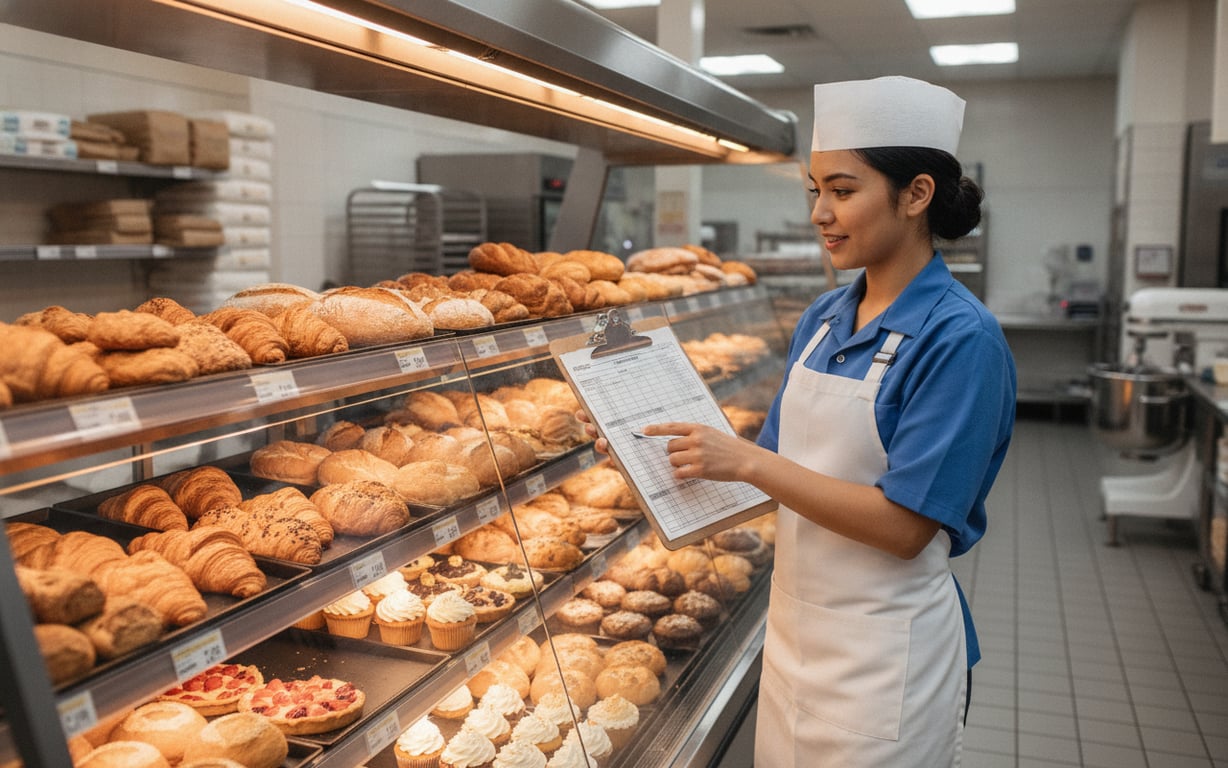
Evaluating which metrics measure fresh department performance requires KPIs that go beyond standard dry-grocery measures. Financial indicators — department sales comps, gross margin, and production accuracy — form the foundation. Tracking inventory loss as a percentage of sales is particularly critical for reducing shrink in fresh grocery departments, since even modest percentage improvements translate into meaningful margin recovery given how thin fresh department margins typically run.
Operational and customer-facing metrics round out the picture. Post-sale shelf life (how much usable life remains when a product actually leaves the store with a customer), Net Promoter Score, and customer satisfaction surveys all reflect whether operational discipline is translating into a better shopping experience. Because fresh departments are labor-intensive, sales per labor hour and training completion rates help confirm that staff execution stays consistent across shifts and locations.
Disciplined metric tracking, paired with the right technology, is what enables measurable bottom-line impact in fresh — moving performance beyond incremental gains and into structural improvement that shows up quarter after quarter.
How can retailers reduce fresh food waste through technology and process improvements
Reducing fresh food waste: technology and process improvements
Replace legacy ordering systems: Move from dry-goods-oriented platforms to systems built specifically for perishables, with machine learning models that incorporate seasonality, weather, and historical sales patterns.
Apply probabilistic inventory modeling: Let systems automatically infer shrink and true stock levels, eliminating reliance on manual counts and reducing phantom-inventory distortion.
Enforce FIFO and FEFO rotation in organized coolers: Disciplined physical rotation in clearly labeled storage directly extends shelf life and reduces spoilage losses.
Minimize ambient exposure during restocking: Reducing the time fresh items spend in non-refrigerated zones during replenishment compounds shelf life gains from cold chain discipline.
Smooth delivery flows: Schedule the freshest shipments to arrive close to peak demand days, reducing the gap between receipt and sale.
How can retailers reduce fresh food waste at scale? By moving past legacy, dry-goods-oriented systems toward platforms built specifically for perishables. Machine learning models that run demand simulations incorporating seasonality, weather, and historical sales patterns generate order recommendations far more accurate than static reorder rules, directly addressing waste at the ordering stage.
Probabilistic inventory modeling — a core fresh food inventory management technique — lets systems infer unmeasured phenomena like shrink and true stock levels automatically, eliminating much of the reliance on manual counts and reducing the phantom-inventory problem that plagues many fresh departments. Solutions such as the fresh inventory solution from re:innovation are built around this kind of predictive, perishables-first approach to optimizing perishable inventory in retail stores.
Physical process improvements remain equally important. Shelf life extension techniques for fresh produce — minimizing time in non-refrigerated zones, enforcing strict FIFO/FEFO rotation in organized coolers — combine with delivery flow smoothing, which schedules the freshest shipments to arrive close to peak demand days. Together, these technology and process improvements form a comprehensive set of fresh food waste reduction strategies that protect margin while lowering environmental impact.
Putting it all together - a roadmap for fresh optimization in retail
A fresh optimization roadmap for retail store leaders
Replace legacy ordering with AI-driven forecasting: Start with accurate inventory visibility and demand forecasting built specifically for perishables.
Establish cold chain and physical discipline: Organize coolers to support consistent FIFO and FEFO rotation and implement real-time temperature monitoring.
Align staffing with actual demand: Deploy cross-trained labor pools and department-specific scheduling to put the right people in the right place at the right time.
Track fresh-specific KPIs continuously: Monitor shrink, production accuracy, and sales comps on a regular cadence to catch performance gaps early.
Maintain structured feedback loops: Connect store teams and merchandising through regular audits and collaboration, extending into space and assortment planning aligned with real demand.
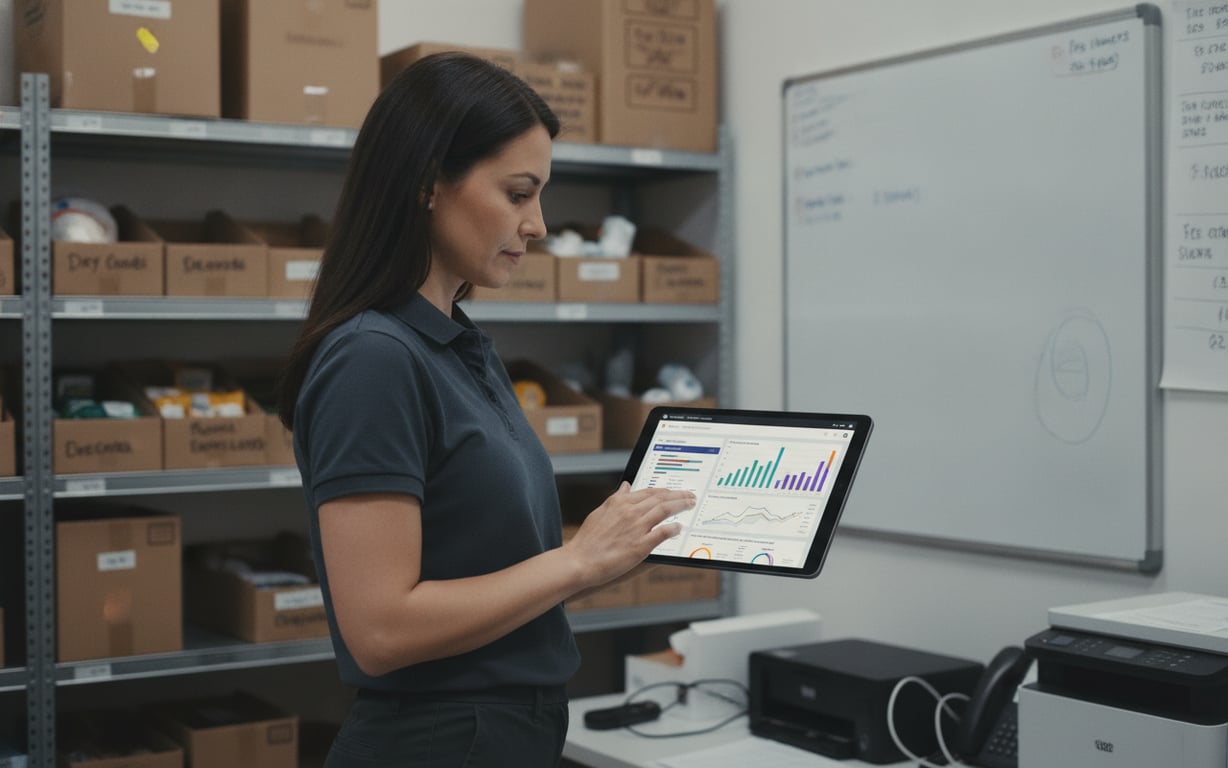
A sustainable approach to how to optimize fresh food operations in retail stores synthesizes every element covered above into a single, cohesive strategy. It begins with replacing legacy, dry-goods-focused ordering with AI-driven forecasting, paired with physical discipline — organized coolers supporting consistent FIFO and FEFO rotation. Layered on top, cross-trained labor pools and department-specific scheduling ensure the right people are in the right place at the right time. Sustaining these improvements means tracking fresh-specific KPIs continuously and maintaining structured feedback loops between store teams and merchandising, extending naturally into thoughtful space and assortment planning that keeps fresh sets aligned with real demand.
Frequently Asked Questions
What is the difference between fresh store operations and general retail operations? Fresh store operations focuses specifically on perishable departments — produce, meat, deli, bakery, seafood — which require daily prep, rotation, and rapid spoilage management that center-store categories do not.
What does fresh optimization mean in practical terms for a store manager? It means using demand forecasting and technology purpose-built for perishables to balance product freshness with full shelf availability, rather than relying on dry-goods ordering logic.
Why does fresh food shrink tend to be higher than center-store shrink? Perishables spoil quickly, sales patterns are volatile, and legacy ordering systems often can't account for shelf life, leading to both overordering and stockouts.
What is the difference between FIFO and FEFO rotation? FIFO rotates stock based on the order it arrived; FEFO rotates based on which items expire soonest, which is often more precise for perishables with variable shelf lives.
How often should fresh produce actually be restocked? It varies by department and item — high-velocity categories like bakery may need multiple restocks per day, while others follow a lower-frequency, demand-driven cadence.
How does temperature monitoring reduce fresh food losses? Real-time monitoring catches cold chain breaks immediately, rather than after spoilage has already occurred, extending usable shelf life significantly.
What staffing model works best for fresh departments? Cross-trained, flexible labor pools that shift between produce, deli, and bakery based on real-time demand tend to outperform rigid, one-size-fits-all schedules.
Which KPIs should a fresh department manager check weekly? Shrink as a percentage of sales, production accuracy, sales per labor hour, and gross margin are core weekly indicators worth close tracking.
Can AI forecasting really reduce fresh food waste measurably? Yes — AI-driven fresh optimization platforms enable meaningful shrink and stockout reductions when paired with disciplined execution.
Where should a retailer start when building a fresh optimization roadmap? Start with accurate inventory visibility and forecasting, then layer in cold chain discipline, staffing alignment, and consistent KPI tracking for sustained results.


Comments