
Complete Retail Loss Prevention Guide: Management Strategies, Security Systems and Best Practices

Retail loss prevention is a comprehensive strategy designed to protect business assets and minimize financial losses through carefully planned security measures and operational protocols. The definition of loss prevention includes all actions taken to reduce inventory shrinkage, deter theft, combat fraud, and correct operational errors that negatively impact profitability. This field extends beyond basic security to include complete asset protection within retail environments.

Modern retail loss prevention utilizes technology, employee training, and systematic procedures to create multiple layers of protection. The importance of these programs is significant; the National Retail Federation estimates that inventory shrinkage costs U.S. retailers approximately $94.5 billion annually. Effective loss prevention not only safeguards immediate earnings but also promotes long-term business stability by maintaining customer trust, ensuring product availability, and enabling competitive pricing.
The strategic value of retail loss prevention extends to improvements in operational efficiency, enhanced customer experiences through consistent product availability, and stronger vendor relationships through precise inventory management. Organizations that prioritize thorough loss prevention programs often experience significantly lower shrinkage rates than the industry average, while also fostering positive shopping environments.With a firm understanding of what retail loss prevention entails, it's crucial to delve into the specifics of inventory shrinkage and its underlying causes to formulate effective countermeasures.
Understanding inventory shrinkage and common causes of retail losses
Inventory shrinkage refers to the discrepancy between recorded inventory levels and the actual physical count of stock. It encompasses various types of losses that directly impact a retailer's financial performance. Recognizing the primary causes of shrinkage enables retailers to develop targeted strategies that address specific weaknesses in their operations.
External theft, primarily through shoplifting, accounts for a significant portion of all retail shrinkage, making shoplifting prevention a vital component of comprehensive loss prevention efforts. Experienced shoplifters often employ sophisticated methods, including participation in organized retail crime rings that target high-value goods across multiple stores. Employee theft also contributes substantially to shrinkage. These internal losses often involve more significant individual incidents because employees have access to systems, merchandise, and cash.
Administrative errors, such as pricing mistakes, receiving inaccuracies, and inventory management failures, also contribute to inventory shrinkage. Vendor fraud and supplier-related losses account for additional shrinkage through short shipments, billing errors, and intentional deception. Modern retailers also face increasing challenges from return fraud and online marketplace abuse. Reducing shrinkage effectively requires addressing each of these categories with specialized prevention methods tailored to specific risk profiles and operational characteristics. Now that we've identified the causes of retail losses, let's explore effective management strategies and organizational structures to combat these issues.
Loss prevention management strategies and organizational structure
Effective loss prevention management involves establishing clear organizational structures that integrate security functions throughout retail operations. A well-structured loss prevention department functions both as a specialized security unit and as a business partner, enhancing operational efficiency while protecting assets. The most effective strategies combine centralized policy creation with decentralized execution, enabling store-level staff to address local security issues.
Contemporary loss prevention emphasizes proactive measures, using data analytics to identify patterns and predict potential losses. This includes developing comprehensive training programs that educate all employees about their role in protecting assets, from identifying suspicious behavior to following correct cash handling procedures. Management strategies should establish clear accountability while fostering a culture where loss prevention is a shared responsibility, not just the concern of the security department.
Organizational effectiveness depends on establishing appropriate reporting lines that give loss prevention professionals sufficient authority to implement necessary changes, while also maintaining collaborative relationships with operations teams. The most successful programs integrate loss prevention considerations into merchandising decisions, store layout planning, and operational procedures from the outset. Regular communication between loss prevention management and executive leadership ensures that security investments align with business goals and receive adequate resources to produce measurable results. With a solid management structure in place, the next step is to implement robust security systems, including retail security cameras, to enhance loss prevention efforts.
Loss prevention security systems and retail security cameras
Modern loss prevention security systems are the technological foundation of comprehensive asset protection programs, with retail security cameras serving as both deterrents and investigative tools. Advanced systems integrate technologies like high-definition surveillance, intelligent video analytics, and real-time monitoring to enable rapid responses to security incidents. These systems provide continuous coverage of critical areas and generate valuable data about customer behavior and potential security threats.
Strategic camera placement maximizes protection by covering high-risk areas such as entrances, exits, cash registers, and displays of valuable merchandise. Modern cameras incorporate features like facial recognition, behavior analysis, and automated alert systems that notify security personnel of suspicious activities. Artificial intelligence helps these systems differentiate between normal customer behavior and potential theft, reducing false alarms and improving detection accuracy.
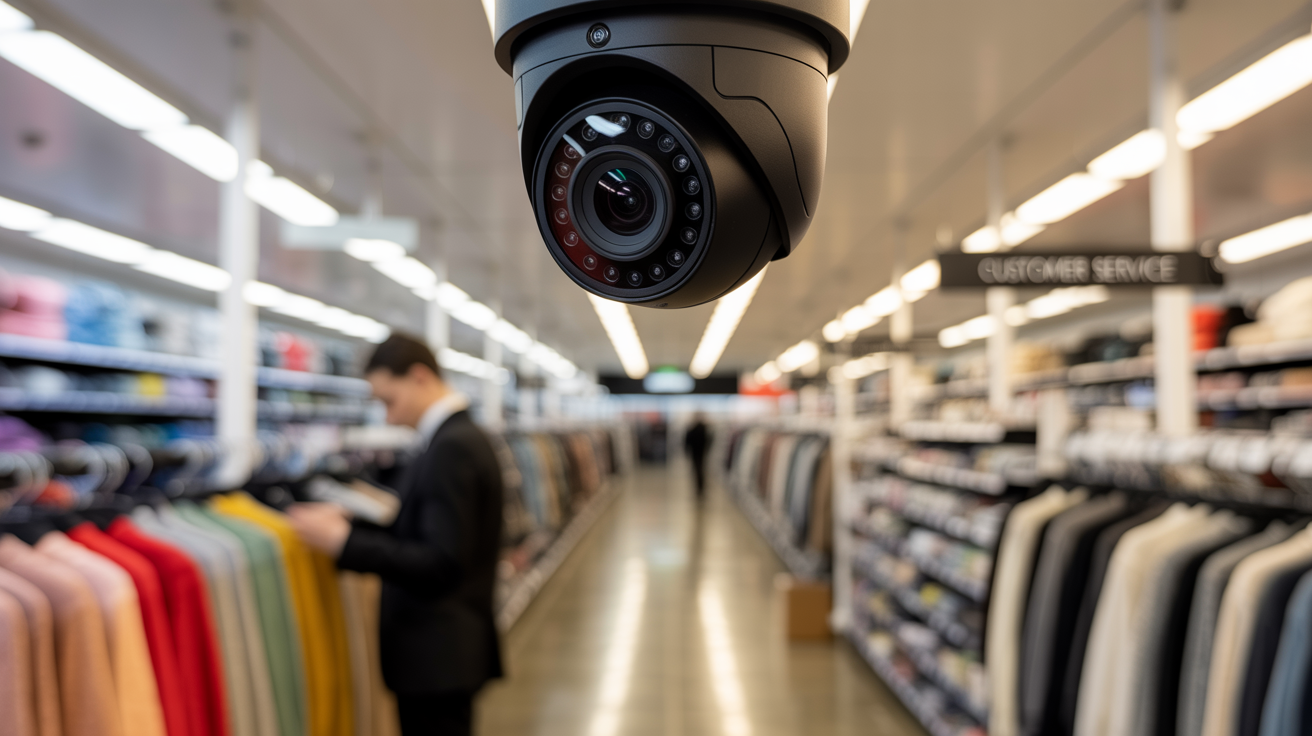
Effective security system implementation requires balancing comprehensive coverage with customer privacy and operational efficiency. The best installations combine visible deterrent cameras with discreet monitoring systems that provide complete awareness without creating an unpleasant shopping atmosphere. Cloud-based storage and remote monitoring enable centralized security management across multiple locations, providing scalable solutions that grow with the business. Regular system maintenance and technology updates ensure continued effectiveness against evolving threats and changing retail environments. Beyond security cameras, inventory control systems and retail analytics play a crucial role in preventing losses by providing real-time insights and identifying discrepancies.
Inventory control systems and retail analytics for loss prevention
Advanced inventory control systems are the foundation for effective loss prevention, providing real-time insight into stock levels, product movement, and transaction patterns. These systems enable retailers to identify discrepancies immediately, rather than discovering losses during routine physical inventories. Modern retail inventory management platforms integrate with point-of-sale systems to create comprehensive tracking that follows merchandise from receipt to final sale.
Retail analytics transforms raw inventory data into actionable intelligence that supports proactive loss prevention. Sophisticated algorithms analyze transaction patterns to identify unusual activities, such as excessive returns, irregular pricing adjustments, or suspicious employee behavior. These analytics enable retailers to detect potential fraud before it results in significant losses, while also providing evidence for investigations.
The integration of RFID technology, barcode scanning, and automated inventory tracking creates multiple verification points that reduce administrative errors and improve accuracy. Point of sale security features, including transaction monitoring, exception reporting, and automated alerts, help identify potential internal theft and cash handling irregularities. Advanced analytics platforms can predict inventory shrinkage risks based on historical patterns, seasonal trends, and external factors, enabling retailers to implement preventive measures proactively. To further streamline and enhance loss prevention efforts, retailers can leverage specialized software and technology solutions designed for this purpose.
Retail loss prevention software and technology solutions
Comprehensive retail loss prevention software platforms integrate multiple security functions into unified systems that streamline operations and enhance protection. These systems typically include incident management, investigation tools, reporting dashboards, and integration capabilities with existing retail infrastructure. Modern solutions use cloud computing to provide scalable, cost-effective deployment options that support operations across multiple locations.
Advanced features use machine learning algorithms to identify suspicious patterns in transaction data, customer behavior, and employee activities. These systems can detect organized retail crime, return fraud, and internal theft, while minimizing false positives that could disrupt normal business. Integration with point-of-sale systems, inventory management platforms, and security hardware creates comprehensive protection.
The most effective technology solutions provide real-time alerts, automated reporting, and mobile access, enabling security personnel to respond quickly to incidents regardless of their location. Case management features help organize investigations, track evidence, and maintain detailed records for legal proceedings. Regular software updates ensure continued effectiveness against emerging threats and maintain compatibility with evolving retail technology. To illustrate the practical application of these strategies, let's examine some real-world examples of loss prevention techniques and best practices.
Examples of loss prevention techniques and best practices
Successful programs use multiple techniques that address various vulnerabilities throughout retail operations. Employee training is one of the most cost-effective techniques, teaching staff to recognize suspicious behavior, follow procedures, and understand their role in asset protection. Comprehensive training covers customer service approaches that deter theft while maintaining positive shopping experiences.
Physical security measures include strategic merchandise placement, mirror systems, and electronic article surveillance tags that create multiple layers of deterrence. Store layout optimization eliminates blind spots while maintaining attractive product displays that encourage legitimate purchases. Cash handling procedures, including regular register audits and dual-control systems, prevent internal theft and ensure accurate financial reporting.
Examples of best practices include implementing background checks for new employees, establishing clear policies for handling suspected theft, and maintaining detailed documentation of all security-related activities. Successful programs also incorporate customer service as a theft deterrent, recognizing that engaged, helpful employees naturally discourage shoplifting while enhancing the shopping experience. Regular policy reviews ensure that techniques remain effective against evolving threats and changing business conditions. Once these techniques are implemented, it's essential to measure their success and continuously optimize the loss prevention program for maximum effectiveness.

Measuring success and optimizing your loss prevention program
Effective programs require systematic measurement and continuous optimization to maintain effectiveness and justify costs. Key performance indicators should include shrinkage rates, incident frequency, recovery amounts, and cost-benefit ratios that demonstrate program value. Regular analysis of these metrics enables management to identify trends, allocate resources effectively, and adjust strategies based on changing risks.
Comparisons against industry standards and similar retailers provide context for evaluating performance and identifying opportunities for improvement. Successful measurement systems track leading indicators, such as training completion rates and security system use, and lagging indicators, including actual inventory shrinkage and theft incident reports. This enables proactive adjustments before problems become significant losses.
Optimization strategies should include regular program audits, technology assessments, and staff performance evaluations to ensure all components function effectively. Continuous improvement incorporates feedback from store personnel, customer observations, and incident analysis to refine procedures and enhance protection. The most successful programs establish regular review cycles that evaluate tactical effectiveness and strategic alignment with broader business objectives. By consistently measuring and refining the program, retailers can build a comprehensive loss prevention strategy that addresses all potential vulnerabilities.
Building a comprehensive retail loss prevention strategy
Developing effective strategies requires integrating multiple protection elements into cohesive programs that address all potential vulnerabilities while supporting operational efficiency. Comprehensive strategies begin with thorough risk assessments that identify specific threats, evaluate current protection, and prioritize improvements based on potential impact and feasibility.
Successful approaches balance prevention, detection, and response through layered security systems that provide multiple levels of protection. These strategies incorporate physical security, technology, personnel training, and operational procedures that work together to protect assets. Integration with existing systems ensures seamless operation and maximizes return on investment.
The most effective strategies establish clear policies and procedures while maintaining flexibility to address unique challenges and changing threats. Regular strategy reviews ensure continued alignment with business objectives, technological capabilities, and emerging security threats. Successful implementation requires executive support, adequate resources, and ongoing commitment to maintaining effectiveness through continuous monitoring and improvement. To recap, a robust retail loss prevention strategy is multifaceted, incorporating various elements to safeguard assets and maintain profitability.
Frequently Asked Questions
What is the average shrinkage rate for retail businesses?The average rate in the United States is approximately 1.4% of total sales, but this varies by industry, store size, and location. High-risk categories like apparel and electronics often experience higher rates.
How much should retailers budget for loss prevention programs?Most retailers allocate between 0.2% and 0.5% of total sales revenue to these programs, which typically generate returns of 3:1 to 5:1 through reduced shrinkage and improved efficiency.
What are the most effective deterrents against shoplifting?Excellent customer service, visible security cameras, electronic article surveillance, and well-trained staff are among the most effective deterrents.
How can small retailers implement loss prevention on limited budgets?Small retailers can focus on employee training, basic security cameras, proper cash handling, and strategic merchandise placement. Many effective techniques rely more on good practices than expensive technology.
What role does employee training play in loss prevention?Training is crucial, as trained staff can identify suspicious behavior, follow procedures, and create positive customer interactions that deter theft while maintaining service standards.
How do modern analytics help prevent retail losses?Analytics identify patterns in transaction data, inventory movements, and customer behavior that may indicate theft or fraud. These systems can predict potential losses and alert management to investigate suspicious activities.


Comments